17 Jul 2026
Facility Perks Reshaping Session Planning Approaches Among Regulars at Licensed Card Venues
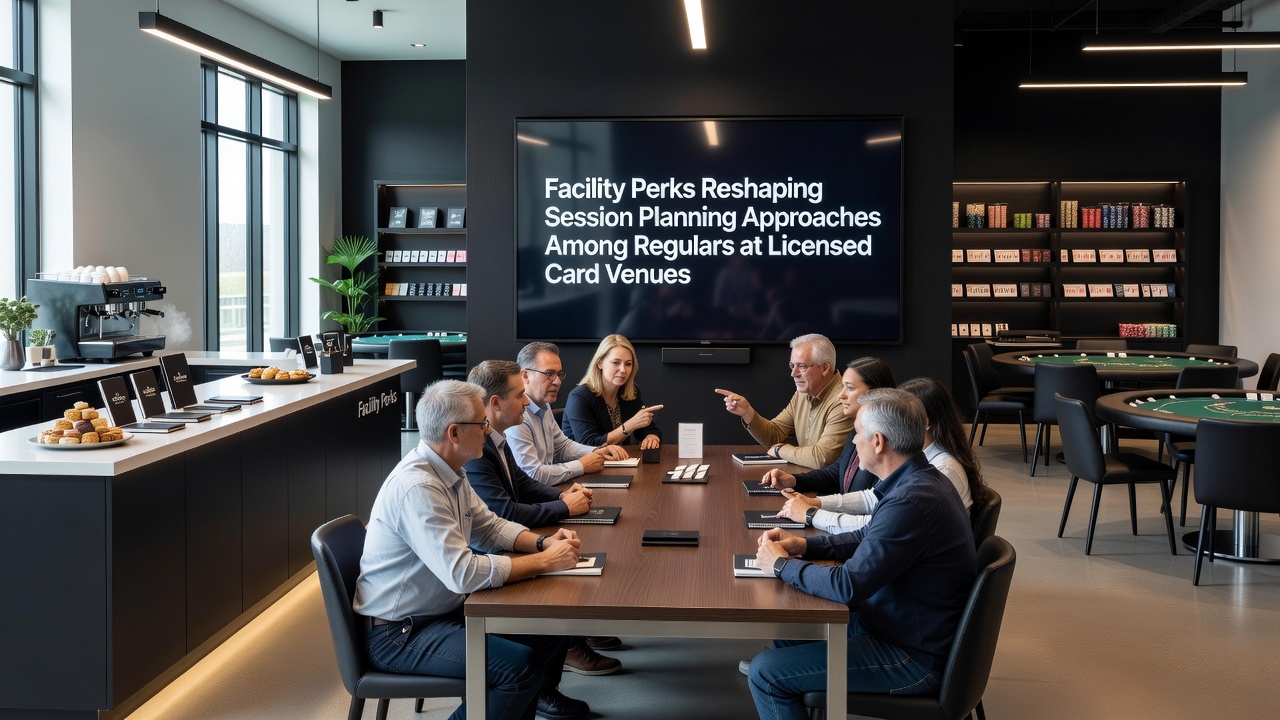
Facility perks at licensed card venues have begun altering how regulars structure their poker sessions, with data from multiple regulatory reports indicating shifts in arrival times, duration decisions, and venue selections across US and Canadian markets. Observers note that loyalty programs offering tiered rewards such as free play credits, reduced rake, and priority seating now influence player calendars in measurable ways, according to figures released by state gaming agencies in July 2026.
Timing Adjustments Around Reward Windows
Regulars coordinate visits with promotional calendars that award bonus points during specific hours, and this pattern appears in activity logs from venues in Nevada and New Jersey where double-point evenings draw higher foot traffic after 6 p.m. on weekdays. Players review these schedules days in advance, which leads them to delay sessions until rewards activate rather than arriving at standard peak times, and research from the American Gaming Association shows a 12 percent rise in off-peak entries tied to such incentives during the first half of 2026.
Session Length Decisions Tied to Tier Progress
Comp structures that unlock higher loyalty tiers after extended play encourage longer stays, with data from the New Jersey Division of Gaming Enforcement revealing that participants in integrated reward programs extended average session times by 45 minutes compared to non-members in the same venues. Those tracking point thresholds often plan multi-hour blocks in advance, factoring in meal vouchers or hotel stays that become available only after reaching certain play volumes, while shorter visits get reserved for maintenance of existing status rather than advancement.
What's interesting here is how these mechanics interact with table selection, since some programs grant better seating priority or lower rake at specific stakes once players hit monthly targets.
Venue Switching Patterns Among Multi-Site Players
Regulars who hold cards at several licensed facilities now compare perk values before committing to a location, and reports from the Canadian Gaming Association document increased movement between Ontario and British Columbia sites when one operator launches temporary double-comp events. This cross-venue shopping has prompted some card rooms to publish real-time reward multipliers through mobile apps, allowing players to adjust plans within hours rather than days, and the result shows up in occupancy data that spikes at the promoted property while dipping at competitors without matching offers.

Integration of Digital Tracking Tools
Many venues now link their loyalty systems directly to table management software, which gives regulars instant visibility into accumulated benefits and remaining requirements for the next reward level. According to a 2026 industry report from the University of Nevada's International Gaming Institute, players using these integrated platforms reduced unplanned session extensions by 28 percent because they could monitor progress against personal targets in real time. This transparency supports more deliberate planning, such as capping play once a free-play threshold is met or extending when a milestone sits just beyond the current hand count.
Geographic and Regulatory Variations
Differences emerge across jurisdictions because some states cap the value of comps while others permit broader offerings, and July 2026 data from the Pennsylvania Gaming Control Board highlighted that venues under stricter comp limits saw steadier session patterns with fewer last-minute adjustments. In contrast, markets with flexible reward structures recorded more fluid planning, including mid-week switches when one facility announced surprise point multipliers. Those patterns suggest that regulatory frameworks indirectly shape how regulars allocate their time across the regional card room network.
Conclusion
Facility perks continue to intersect with operational data in ways that prompt regulars at licensed card venues to refine their approach to session timing, length, and location. Reports through mid-2026 indicate these adjustments occur consistently across multiple regions, driven by transparent tracking systems and tier-based incentives rather than random preferences. As operators refine their programs, the measurable effects on player calendars are likely to persist in activity records maintained by gaming authorities.