3 Jun 2026
Mapping the Influence of Integrated Casino Rewards on Tactical Choices During Extended Online Poker Sessions in Licensed Areas

Integrated casino rewards programs have become a standard feature across licensed online poker platforms in regulated jurisdictions, and data from multiple markets shows how these systems shape player behavior during long sessions. Players accumulate points through play volume and specific actions, then redeem them for cashback, tournament entries, or other perks, which creates measurable shifts in decision-making patterns. Reports from June 2026 indicate that operators in North American and European regulated spaces continue to refine these structures to align with local compliance rules while tracking engagement metrics.
How Reward Integration Works in Licensed Markets
Licensed operators track every hand and session through centralized systems that feed directly into loyalty tiers, and this tracking captures details such as hands played per hour along with average bet sizes. Points often accrue faster on certain game types or during promotional windows, which leads players to adjust their table selection and session timing accordingly. According to figures released by the New Jersey Division of Gaming Enforcement, online poker handle in the state reached consistent monthly levels through mid-2026, with reward redemptions forming a growing share of player activity reports.
Platforms typically divide rewards into base accumulation and bonus multipliers that activate after certain thresholds, and these layers encourage participants to extend sessions rather than cash out early. Research from the University of Nevada's gaming studies unit has documented similar patterns in other regulated environments where point systems tie directly to time-on-site data. Observers note that players who reach higher tiers receive benefits that offset variance, which in turn affects how they approach marginal spots during extended play.
Session Length and Tactical Adjustments
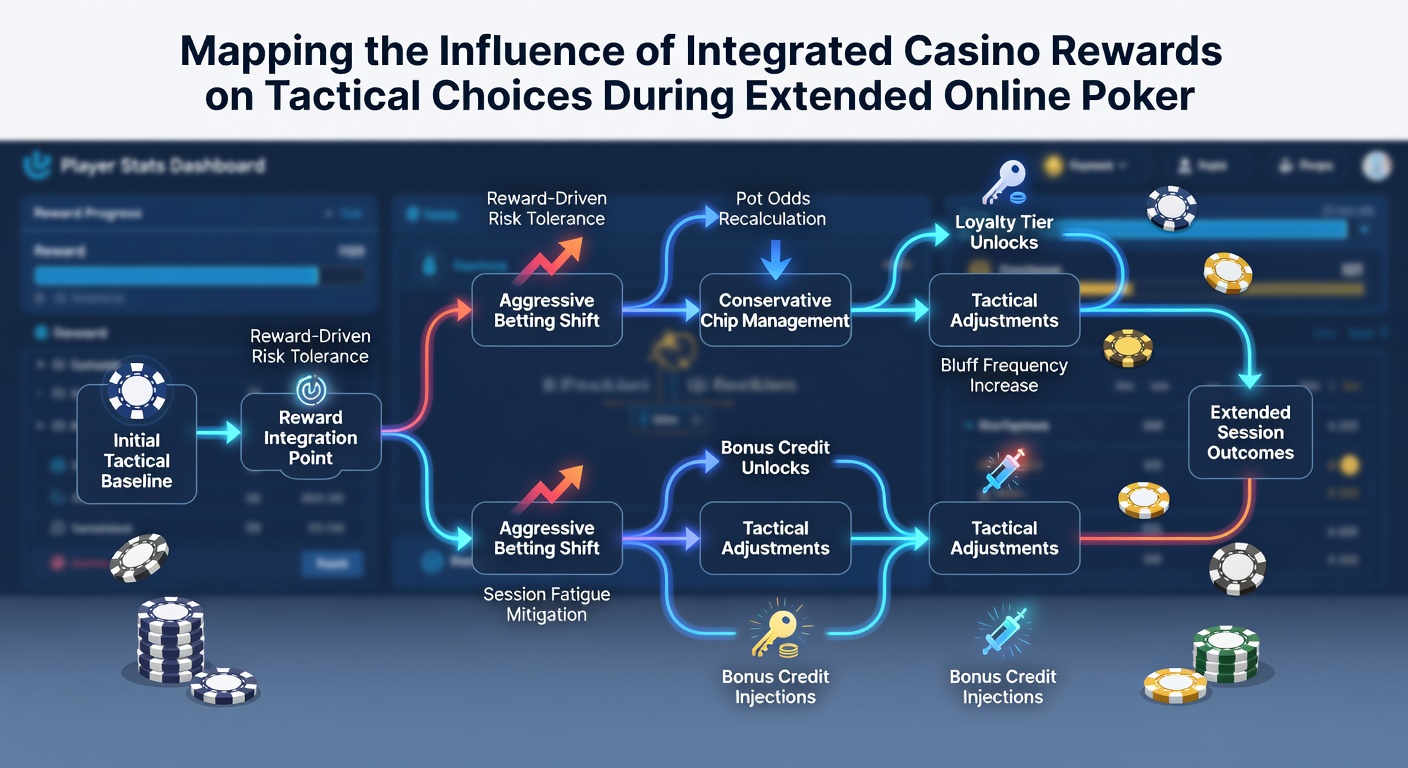
Extended sessions in licensed poker rooms show clear correlations with reward structures, since many programs award escalating value the longer a player remains active. Data indicates that participants often maintain looser opening ranges or defend blinds more frequently when close to a tier milestone, because the expected value from points can outweigh short-term chip losses. In June 2026, industry reports highlighted that average session duration in state-regulated markets increased slightly year-over-year, coinciding with expanded reward integration features.
Players frequently switch between cash games and tournaments based on which format currently offers better point multipliers, and this movement creates observable changes in table dynamics. Those who study retention metrics find that reward-driven participants accept higher rake percentages in exchange for the loyalty benefits, which alters their break-even calculations over multi-hour periods. Licensed operators in markets such as Ontario have published summaries showing that reward redemptions cluster around peak evening hours, suggesting deliberate session planning around point accrual windows.
Regional Variations and Compliance Factors
Different licensing bodies impose distinct rules on how rewards can influence gameplay, and these regulations produce varied tactical landscapes. In Australian regulated online spaces, point systems must clearly separate promotional value from game mechanics, which leads to more transparent tracking dashboards that players use to plan session goals. European markets outside the UK maintain their own frameworks that emphasize responsible gaming limits alongside reward accumulation, resulting in built-in session reminders that interact with loyalty progress.
Canadian provincial regulators, including those overseeing Ontario's iGaming sector, require operators to report how reward programs affect player segmentation, and these disclosures reveal that mid-tier participants extend sessions more than either new users or top-tier members. The pattern suggests that the perceived value of upcoming benefits peaks during intermediate stages of progression. Industry analyses from academic sources confirm that such regional differences create distinct behavioral maps when researchers overlay reward data with hand histories from licensed platforms.
Tracking and Analytical Tools
Modern poker clients in licensed environments include integrated dashboards that display real-time point progress next to standard statistics, and many players consult these figures when deciding whether to continue or quit. Third-party tracking software compatible with regulated sites sometimes incorporates reward projections, allowing users to model how additional hours of play translate into redeemable value. Reports compiled through mid-2026 show rising adoption of these combined tools among grinders who treat points as a measurable component of hourly rate.
Operators themselves analyze aggregated data to adjust reward parameters, and adjustments often target specific behaviors such as multi-tabling frequency or game-type preferences. This feedback loop means that tactical choices observed in one month can influence the reward structures available the next, creating an evolving environment where players must continually recalibrate their approaches.
Conclusion
Integrated casino rewards continue to map onto tactical decisions in extended online poker sessions across licensed areas through measurable influences on session length, game selection, and risk tolerance. Data from regulatory bodies and academic research shows consistent patterns that operators monitor and refine, while players incorporate point values into their overall strategy frameworks. As regulated markets expand through 2026 and beyond, these interactions remain a central element of how licensed poker environments function.