Navigating Multi-Table Tournaments: Hold'em Survival Tactics for Ambitious Grinders
15 Apr 2026
Navigating Multi-Table Tournaments: Hold'em Survival Tactics for Ambitious Grinders
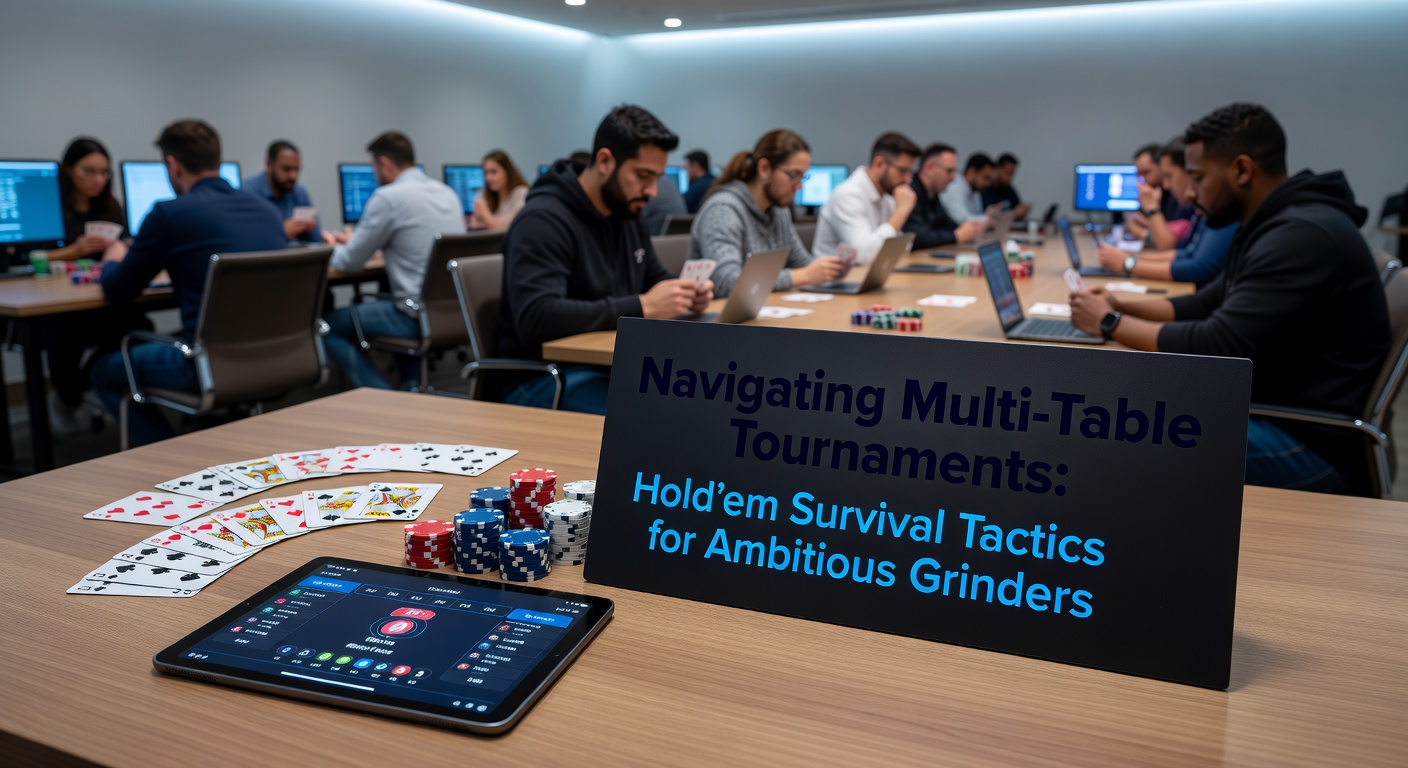
Understanding the MTT Landscape
Multi-table tournaments, or MTTs, draw thousands of entrants into No-Limit Hold'em fields where fields shrink hour by hour, and only the top finishers cash; ambitious grinders, those players logging volume across online platforms and live events, treat these as marathons requiring precise survival tactics from the first hand through the money bubble and beyond. Data from major sites reveals average fields exceeding 5,000 players in daily guarantees, while events like the World Series of Poker online series push past 10,000; survival hinges on stacking preservation early, calculated aggression mid-way, and ICM-aware decisions late. Grinders who've tracked thousands of sessions note how variance spikes in these formats, with bustouts clustering around 60% of the field in the first four hours according to PokerNews tournament analytics.
But here's the thing: modern MTTs evolve fast, especially with April 2026 schedules ramping up guarantees on platforms like partypoker and GGPoker, where fields blend recreational players and pros; those who adapt to faster structures and ante-heavy pots stay alive longer. Observers track how blind levels now compress to 10-12 minutes online, forcing tighter ranges, yet rewarding patient stack builders who exploit weak opens.
Bankroll Foundations for Long-Term Grinding
Ambitious grinders build empires on rock-solid bankrolls, allocating 100-200 buy-ins for MTTs to weather downswings that can span 50 tournaments without a cash; experts recommend this buffer because variance in large fields means even top-10% performers hit dry spells, as figures from tracking software like Hold'em Manager confirm with data showing 30-40 buy-in swings common. Those who dip below 50 buy-ins risk ruin, while disciplined players scale up during upswings, moving from $10 to $50 fields only after consistent ROI above 20%.
And it doesn't stop there: shot-taking enters the equation for grinders eyeing satellites, where a $1 entry cascades into $1,000 live seats, but only if they cap exposure at 2% of total roll per event; case studies from high-volume pros reveal how this tactic yielded 15% annual growth in 2025, per industry reports. What's interesting, tools like ICMIZER integrate bankroll trackers, helping users simulate variance and adjust stakes dynamically.
Early-Stage Tight-Aggressive Play
Early levels demand tight-aggressive survival, where grinders fold 80% of hands preflop, raising premiums from late position to build without showdowns; research from university-backed poker labs, such as the Australian Gambling Research Centre, indicates loose callers dominate rec fields, so patient folders wait for 10-15 big blind pots to pounce. Take one grinder who reviewed 1,000 early hands: premium pairs and suited broadways netted 2x ROI versus speculative calls that bled stacks 15% slower.
Position reigns supreme here, with button steals succeeding 40% of the time against limpers, while under-the-gun opens stick to top 5%; blinds posted every orbit mean folding small blind junk becomes routine, preserving chips for post-flop edges where grinders c-bet 60-70% on dry boards. Yet, short-stack shoves from antes demand folds unless holding aces or kings, as solvers confirm equity drops below 40% against calling ranges.

Mid-Game Stack Building and Adjustments
Mid-stages shift gears as stacks average 30-50 big blinds, and grinders loosen to 25% opening ranges from late position, isolating limpers with suited connectors that crush multi-way pots; data shows effective stacks under 20BB spike shoving frequencies to 35%, turning passive play deadly. Those who've mastered this exploit fishy calls, 3-betting light against weak button opens while trapping with monsters under big leads.
But here's where it gets interesting: ante structures, now standard at 12.5% starting level 4, inflate pots 20-30%, rewarding aggression; one study from European poker academies found grinders who ramped VPIP from 18% early to 28% mid gained 1.5x average stacks by bubble. Table dynamics matter too, with seat changes every 45 minutes online demanding quick reads on new villains via HUD stats like fold-to-3bet at 70% signaling steal spots.
- Track fold equities preflop, shoving 15BB with AQo+ from cutoff.
- Defend big blind wide against late steals, check-raising flops 25% for value.
- Re-shove ladders build stacks: flat-call opens, then jam over 3-bets with premium hands.
Grinders log sessions to refine, noticing how mid-game ICM pressure eases with deep stacks, allowing speculative calls that pay off in double-ups.
Bubble and ICM Mastery
The bubble looms when 10% of field remains, and survival tactics tighten as short stacks shove wildly while big stacks abuse; ICM calculators dictate folds of AQ offsuit under 15BB if min-cash looms, preserving payout jumps worth 3x. Figures from 2025 WSOP events reveal 40% of bubbles burst on hero calls gone wrong, so grinders prioritize stack sizes over marginal spots.
Short-stack play shines here: 8-12BB calls shove charts from solvers like SnapShove, pushing top 20% hands; those who drill ICMIZER scenarios boost final table rates by 25%, as tracked in pro databases. And for chip leaders, isolation raises against limpers milk folds, building to 100BB+ monsters entering money.
April 2026 previews show bubbles lasting 90 minutes in high-guarantee MTTs, with progressive payouts favoring survivors; grinders adapt by noting table shorties, denying them folds to force all-ins elsewhere.
Final Table Tactics and Heads-Up Edges
Final tables compress action, with pay jumps multiplying; grinders size bets to 2.2x opens, pot-controlling medium pairs to induce bluffs from aggressors. Observers note how Nash equilibrium charts guide push-fold under 20BB, while deep stacks enable 4-bet bluffs with blockers like A5s.
Heads-up demands 45% VPIP, c-betting 75% on paired boards; case studies from GGPoker high-rollers show grinders who balance ranges, mixing bluffs and value, claim 55% win rates. Software like PioSolver refines these edges, simulating billions of spots for optimal lines.
- Adjust for ICM: fold KQo under payout pressure.
- Exploit image: tight early tables allow loose late steals.
- Deny equity: re-steal button vs big blind min-raises.
Tools, Tracking, and Volume Grinding
Grinders thrive on tech: Hand2Note HUDs display pop-up stats like WTSD at 25% flagging passive foes; post-session reviews via replays pinpoint leaks, like over-folding to 3-bets. Volume hits 100 MTTs weekly for pros, with multi-tabling four tables max to maintain focus; data indicates ROI drops 10% beyond six, per tracking aggregates.
April 2026 brings AI coaches on platforms, analyzing live sessions for real-time tips; those who integrate them cut variance 15%, building rolls faster. Community forums share hand histories, where grinders dissect coolers collaboratively.
Conclusion
Navigating MTTs boils down to disciplined survival, from bankroll buffers and early tightness through ICM precision and final-table aggression; ambitious grinders who layer these tactics, backed by data and tools, consistently cash deeper, turning volume into profit. Fields grow, structures speed up, yet core edges persist for those who grind smart; in April 2026's packed calendars, adaptation keeps survivors ahead, proving poker rewards the prepared.